
What is served at a 40-day memorial
How many colaci are made and who receives them, which starters go on the table, and what goes into the package for those who can't stay.
Every family asks this, and the answers differ from village to village. Below is what is customary around Iași, as it is usually requested of us. It isn't church guidance — for that you ask the priest — but what, in practice, goes on the table.
For Iași and the surrounding area
The alms, prepared by us
We cook the memorial meal and prepare everything that is given: colivă, colaci baked to order and packages ready to hand out. The full menu starts at 45 lei per person.
- Colivă for the service
- Colaci braided and baked to order
- Alms packages in containers, ready to give
- The memorial meal: in our hall or delivered wherever you hold it
We only work in the Iași area: delivery is included within the city of Iași, and for nearby villages just ask us. Orders are placed at least 10 days ahead.
Colivă and colaci, prepared by us
Real photos, from recent memorial meals.
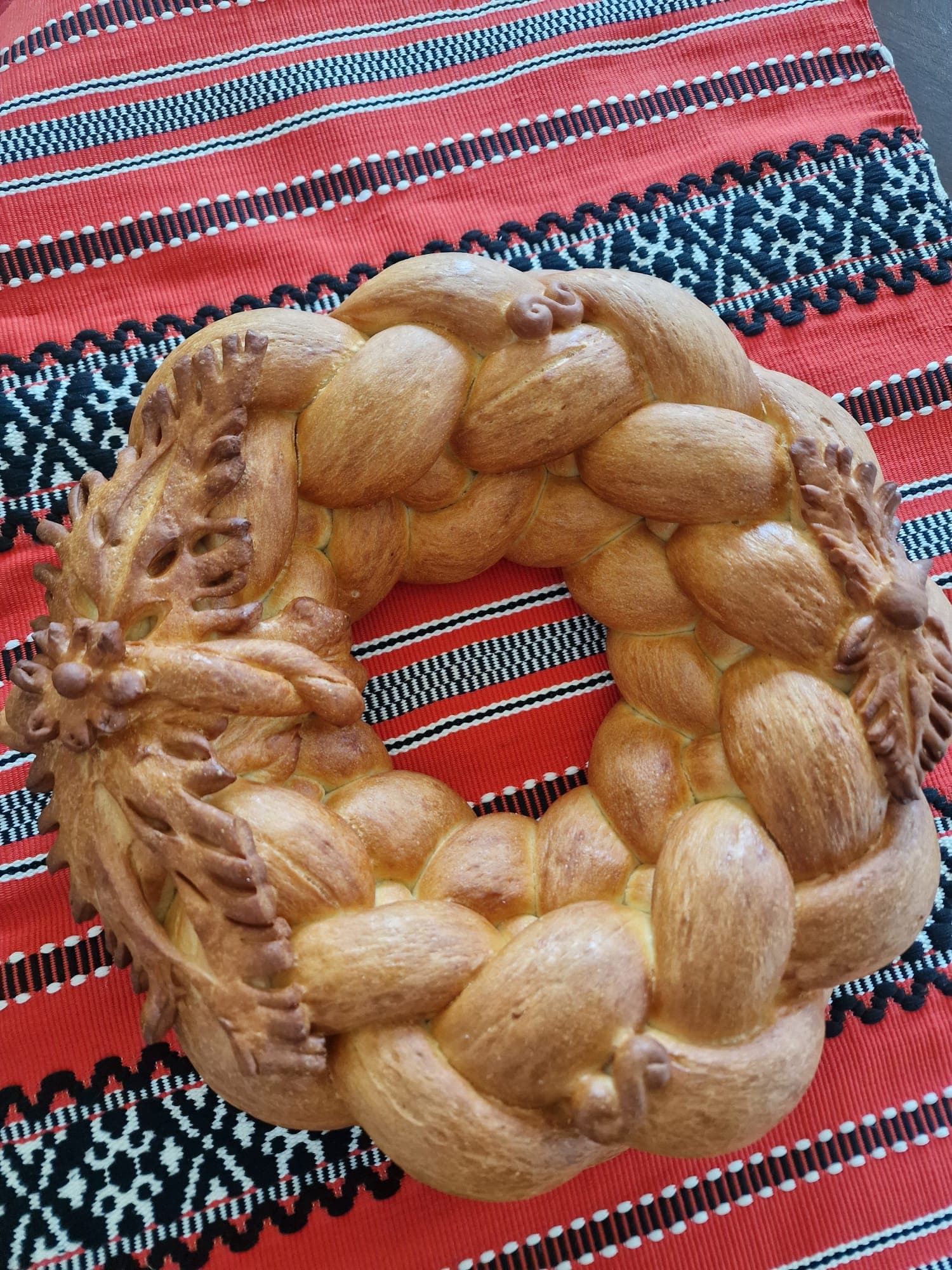
Colac, braided and baked to order 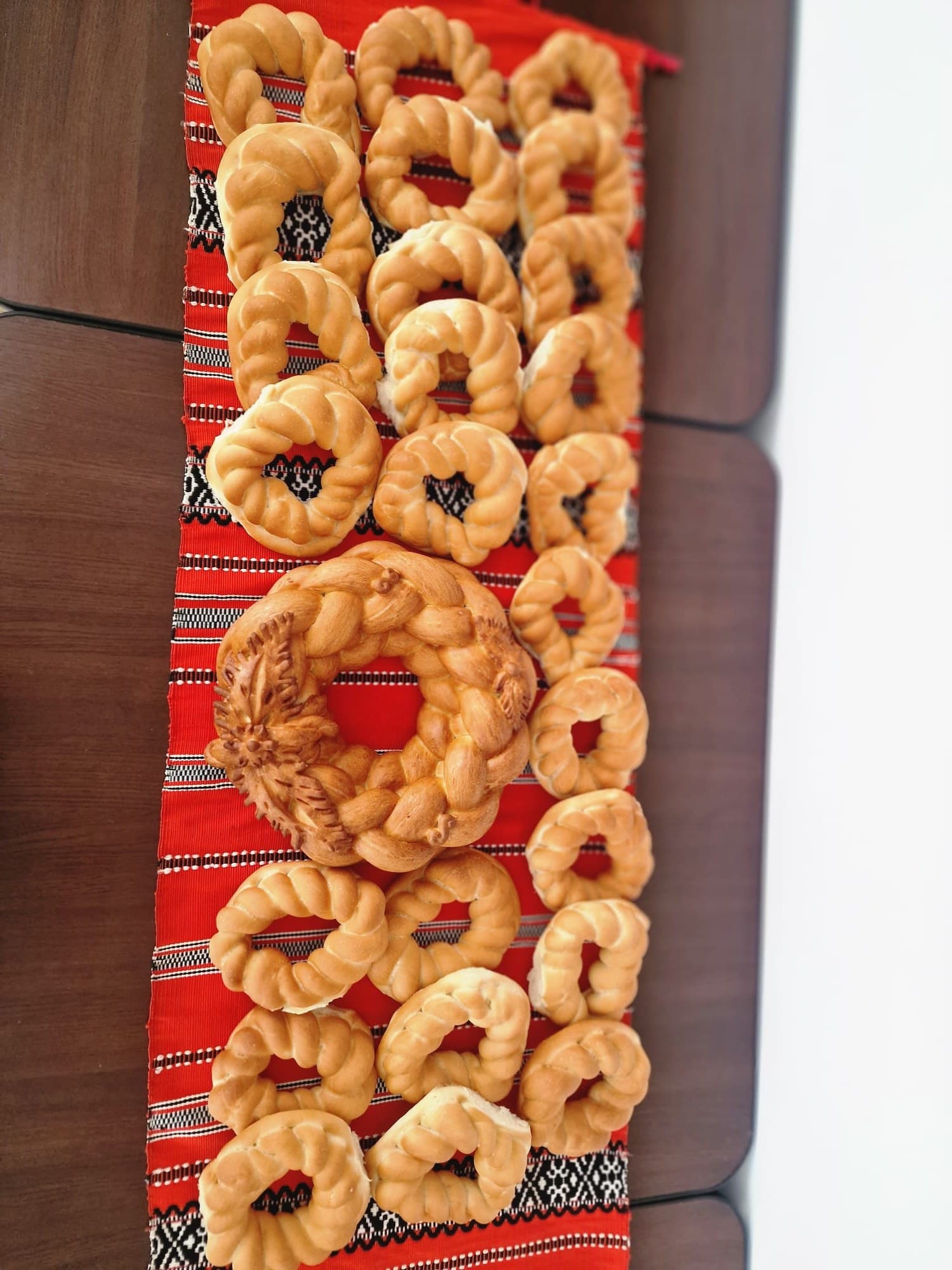
Colaci for a memorial meal 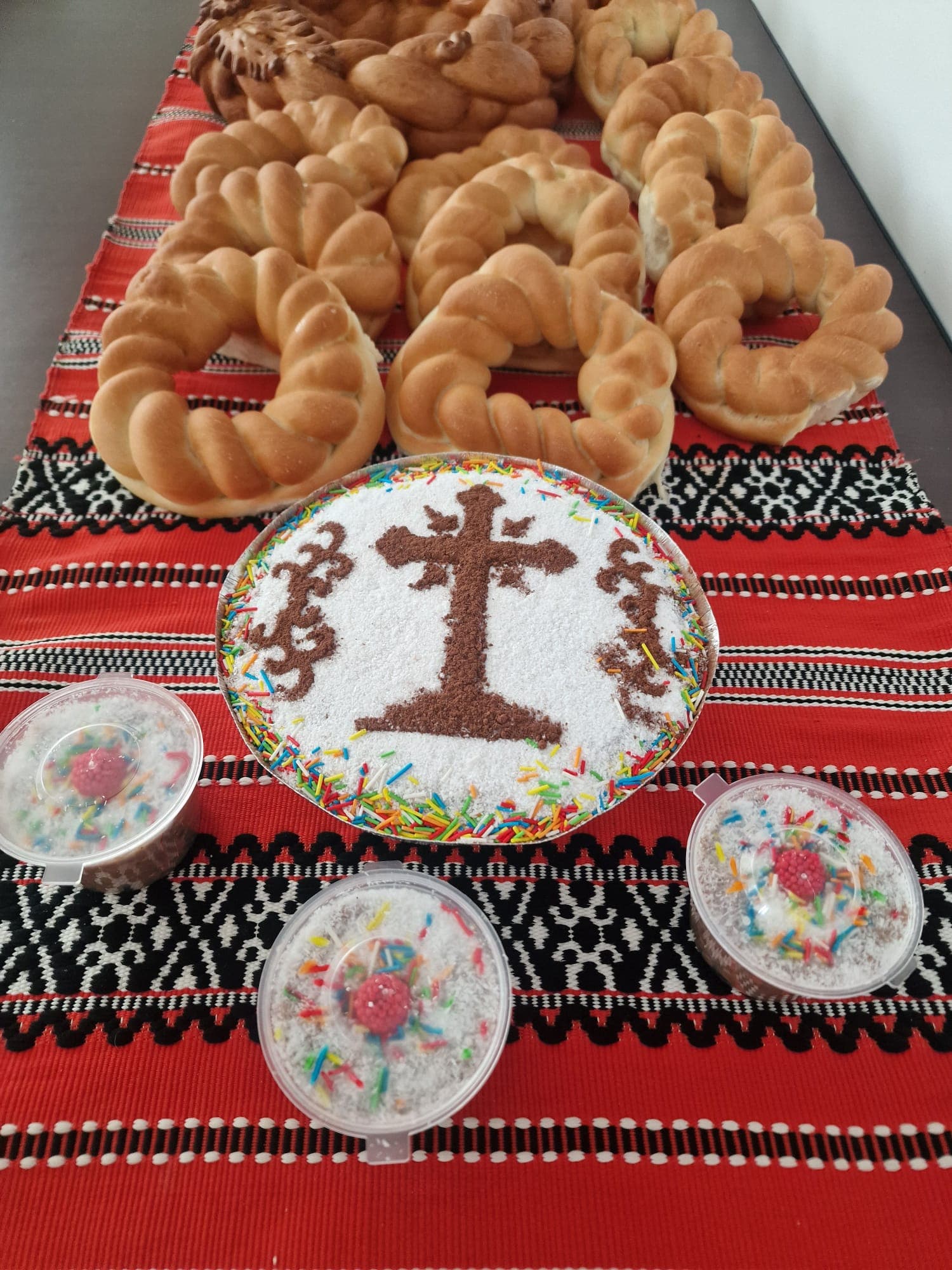
Colivă, ready for the table
From our kitchen
Colivă, cozonac and focaccia, for the packages
We put them in the alms package, or you can order them separately, by the piece — for Moși, for example, when they're handed out at church and at the cemetery. The family chooses what goes in: colac, cozonac, focaccia or all of them.
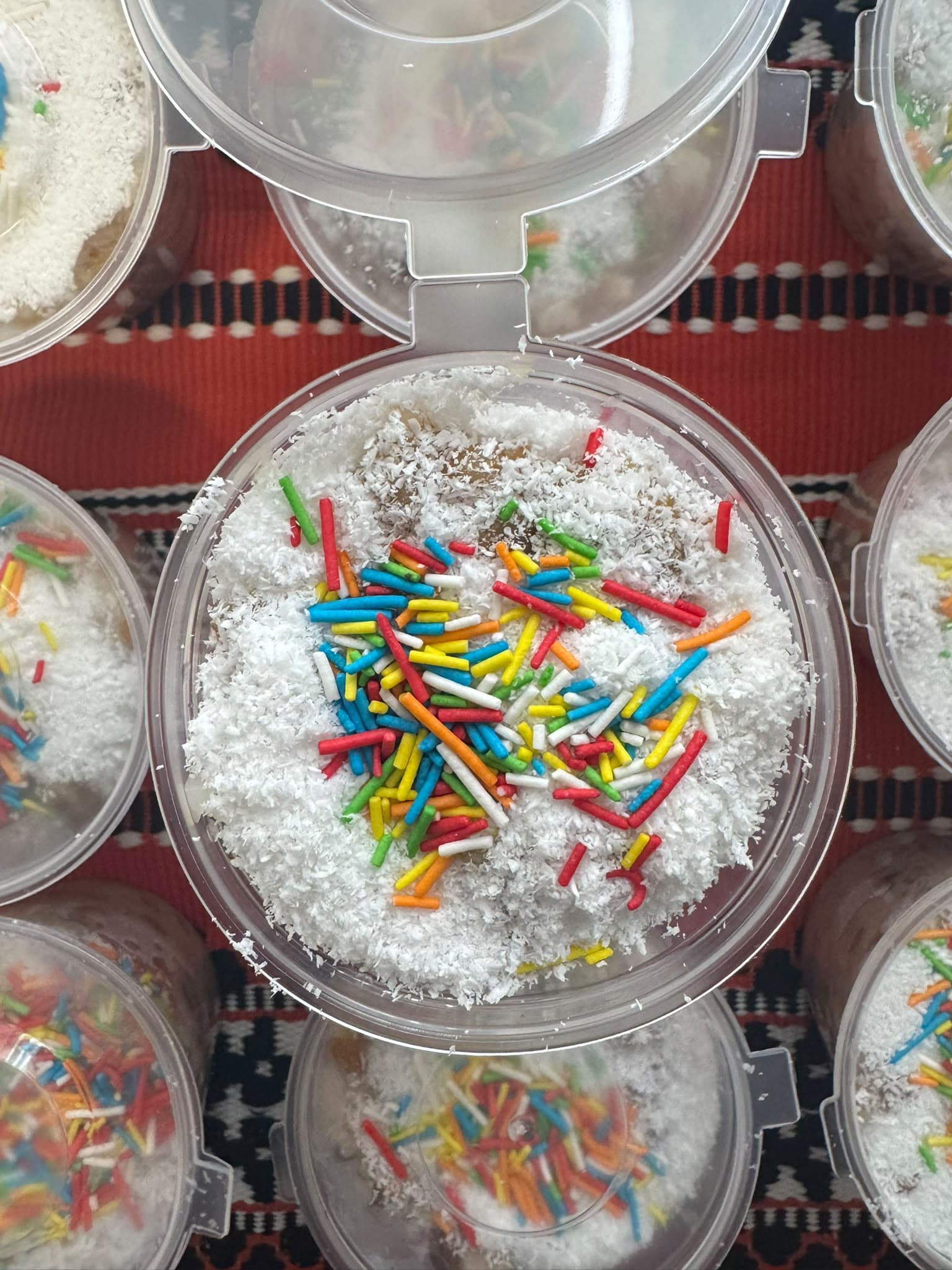
Colivă in a container
100 g
An individual portion with a lid, ready to hand out after the service.
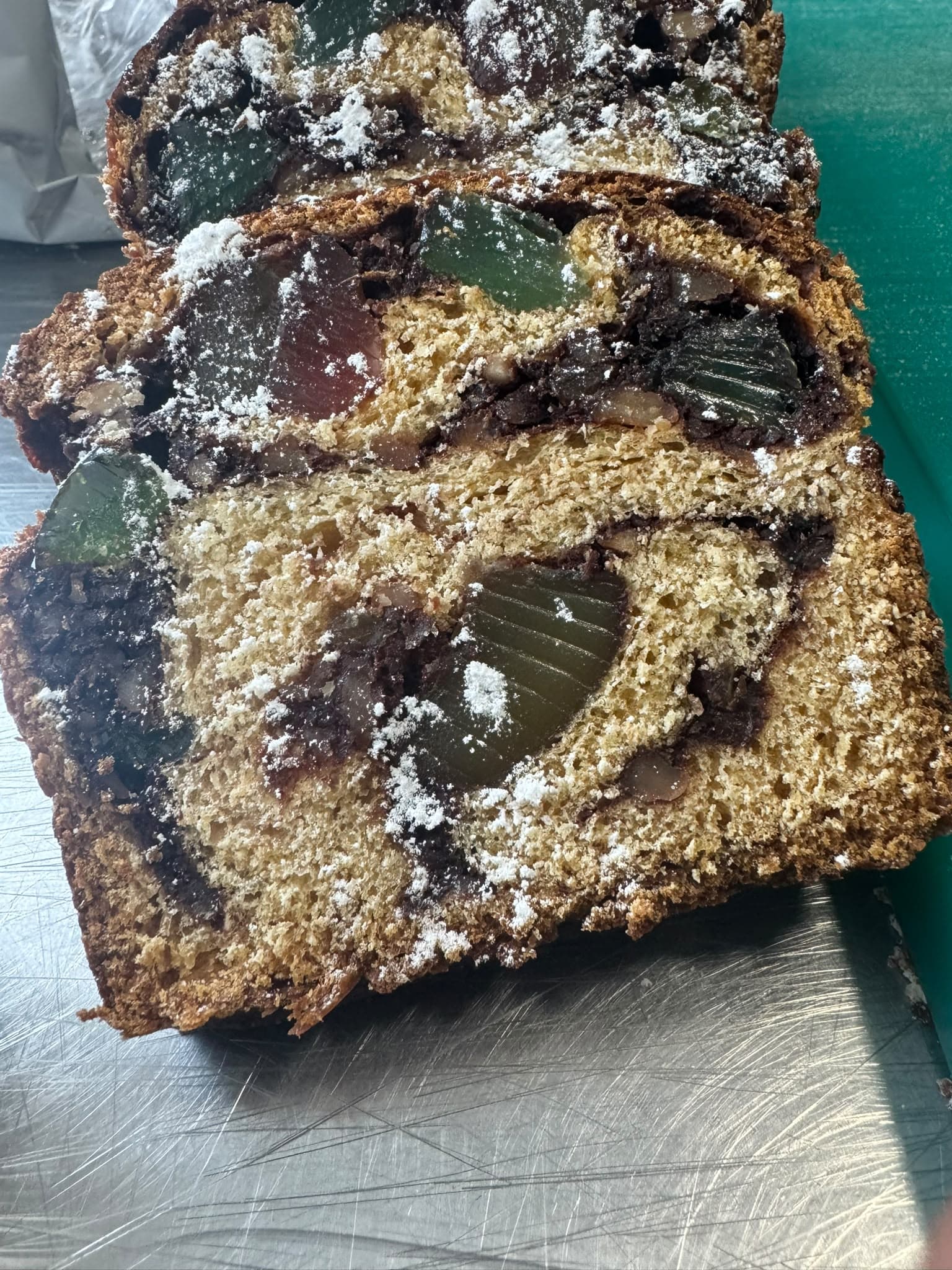
Slice of cozonac
150–170 g
Homemade cozonac, sliced and individually wrapped, ready for the package.
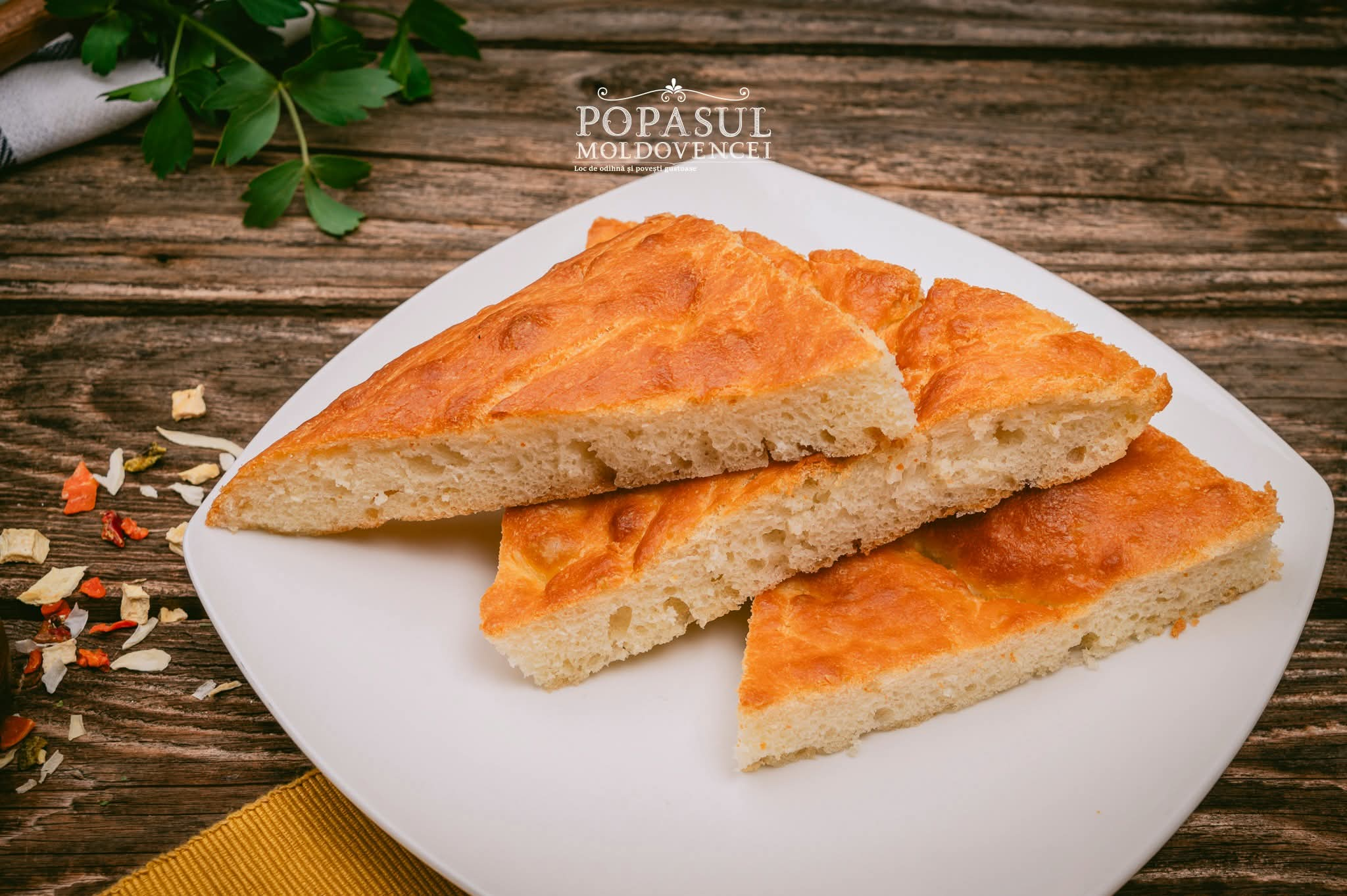
Homemade focaccia
100–120 g
Lenten. It replaces the colac or comes in addition, as the family prefers.
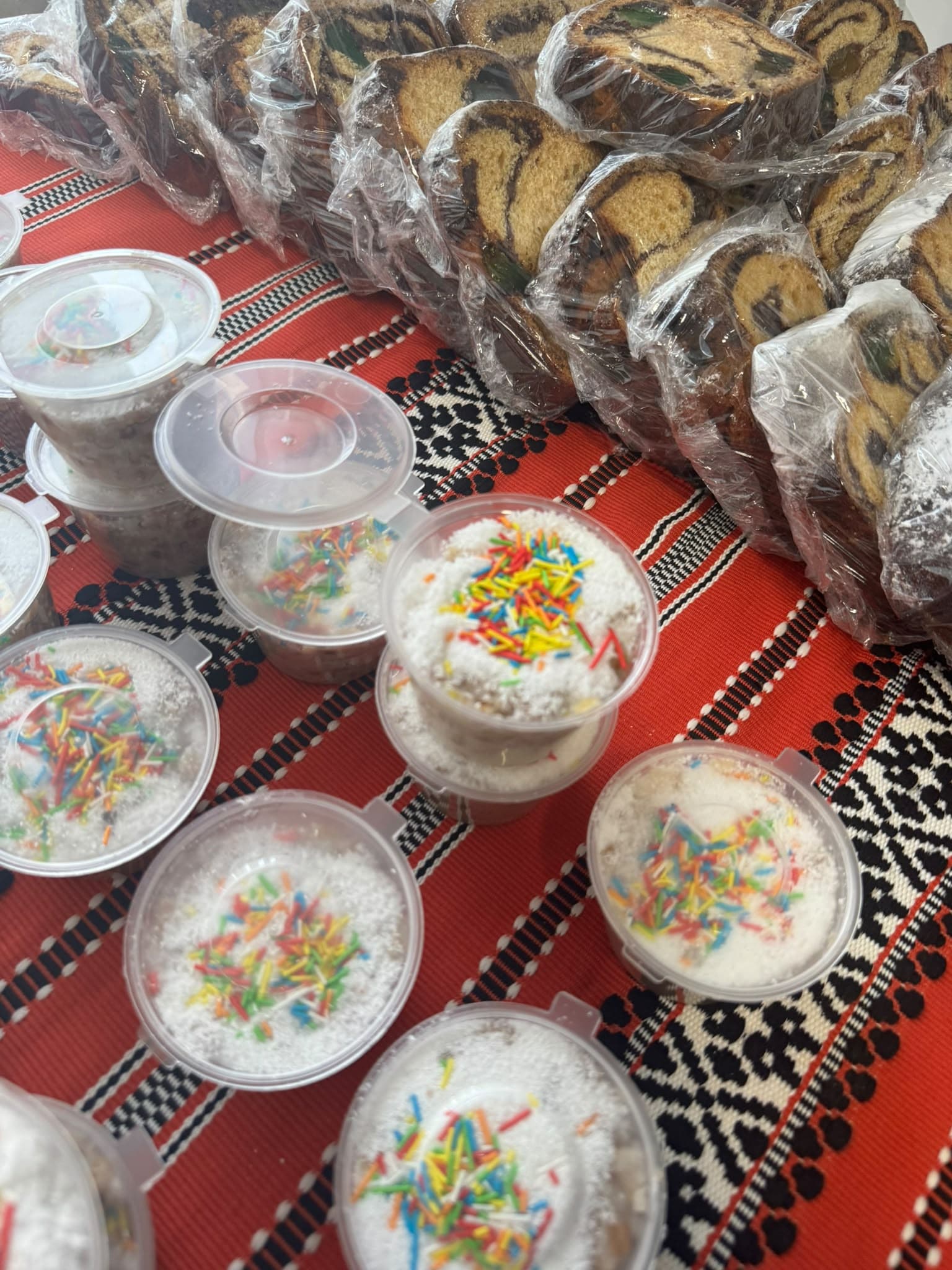
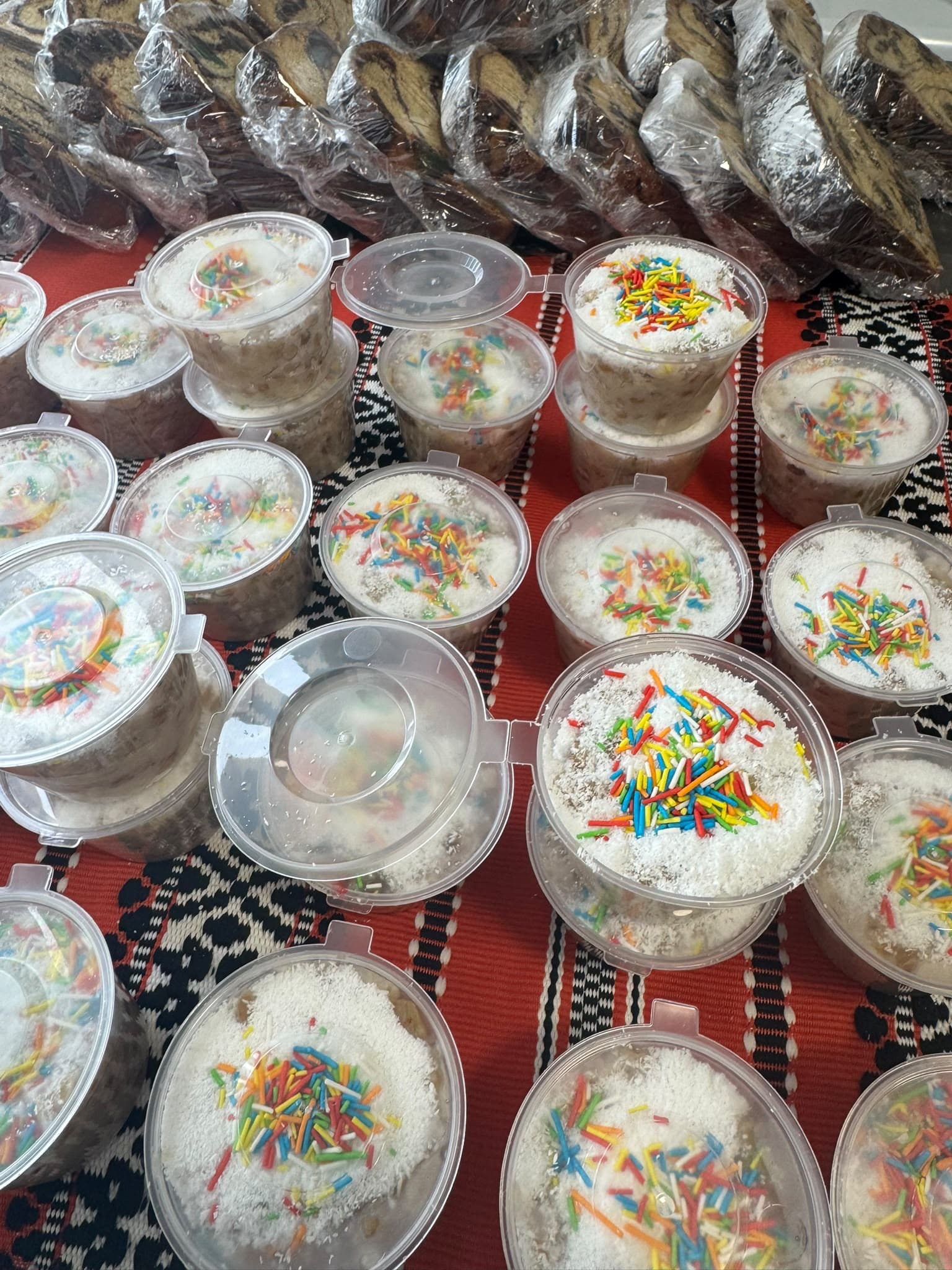
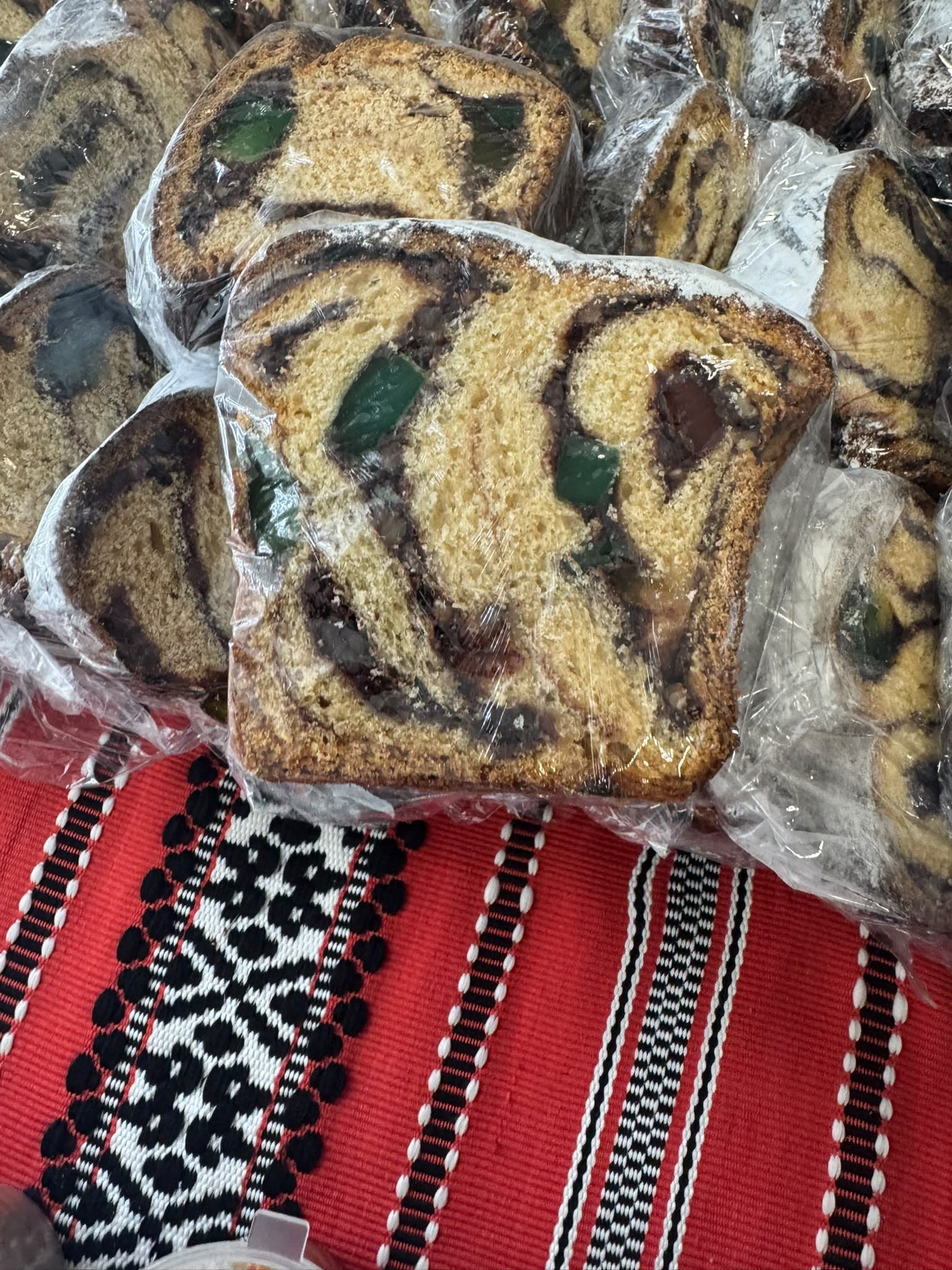
You can also order them by the piece, separately from the meal. We give you the price in the quote, based on quantity.
Colivă
Colivă is made from boiled wheat, sweetened and mixed with ground walnuts. It is taken to the service, then placed on the table and shared out after the memorial. Being made of wheat, sugar and walnuts, it is the same at a lenten meal and a non-fasting one.
Colaci
There is no number that holds everywhere: it's decided within the family or according to the priest. What helps with the count is dividing people into groups — the colaci that go to the service, those for the people who helped at the funeral, and those for close relatives.
We make as many as you ask for, braided and baked to order, as in the photos above. The counting by groups, who receives them and what goes on the colac are covered at length in the guide to colaci for a memorial.
Starters at a memorial meal
The meal begins with cold starters. At a non-fasting memorial these are usually cheeses and house-cured meats, aubergine salad, stuffed eggs, tomatoes, cucumbers and pickles.
At a lenten one: homemade zacuscă, mashed beans with fried onion, aubergine salad, beetroot salad with horseradish, olives and pickles. The beans and zacuscă are filling, so the lenten meal doesn't turn out meagre.
Starters open the meal but shouldn't carry it. If too many are served, people don't eat the soup and the main course, and half the food is left over.
The meal itself
After the starters comes soup, then a main course — usually sarmale or a roast, on non-fasting days — and it ends with colivă, colaci and dessert. If the day is a fasting one, the same pattern is kept, with lenten dishes.
Strong drink isn't served in quantity: this is a memorial meal, not a party. Wine and water are customary.
The packages
Many of those invited can't stay for the meal — they're at work, they have a long drive, they have small children. For them a package is prepared with the same dishes as on the table: the main course with a side, something from the starters and from dessert. Besides the food, many families add a colac, a candle and some fruit.
They're counted separately from the number sitting at the table, and the guide to memorial packages covers at length how many are made, who receives them and when they're prepared.
How many people are invited
At forty days more people come than at any other memorial: relatives, neighbours, colleagues, people who couldn't make the funeral. It's the interval at which the number is most often underestimated. Better to prepare for a few extra.
Frequently asked
What families ask us
Can the meal be held at home?
Yes, that's the most common arrangement. We can cook and deliver to the address where the meal is held, if there isn't room at home to cook for that many.
What if the day falls during a fast?
The lenten meal is served. The pattern stays the same — starter, soup, main course, colivă and colaci — only the dishes change.
Who takes care of the colivă?
It can be made within the family, or we prepare it along with the rest of the meal. Most families prefer not to deal with it on those days.
What goes on the alms plate?
The same dishes as on the table: the main course with a side and something from the starters. Some families give the food on an actual plate, with cutlery and a cup, and the dishes stay with whoever receives them — also as an offering.
Which starters are served at a memorial meal?
Non-fasting: cheeses and cold cuts, aubergine salad, stuffed eggs, tomatoes, cucumbers and pickles. Lenten: zacuscă, mashed beans with fried onion, aubergine salad, beetroot salad with horseradish, olives and pickles.
What is given as alms at six months?
The same as at forty days, on a smaller scale: colivă, colaci and packages for those who don't stay for the meal. At six months usually only close family come, so fewer are made.
What is given as alms at one year?
Colivă, colaci and packages, as at forty days. At one year the people who came then usually return, so the number comes close to the 40-day one.
Read next